

1. WHAT IS GASTROSCOPY?
Gastroscopy, also known as upper gastrointestinal endoscopy, is a technique that uses a long, flexible scope with an attached camera to view images inside the esophagus, stomach, and duodenum.
Gastroscopy is indicated for patients with symptoms of discomfort or epigastric pain, indigestion, bloating, nausea, vomiting, acid reflux, difficulty swallowing, or black stools. It is a reliable method for detecting the cause of bleeding, inflammation, ulcers, or tumors in the esophagus, stomach, and duodenum.
Stomach cancer is very common and increasingly prevalent, mainly due to fast-paced lifestyles, unhealthy habits, and lack of exercise. However, if detected early, stomach cancer can be cured.
Endoscopy is the most effective way to screen for and diagnose early-stage stomach cancer, ensuring much better treatment outcomes compared to advanced-stage cancer. Endoscopy combined with biopsy is crucial for diagnosing stomach cancer.
Painless gastroscopy is an effective method for diagnosing stomach diseases.
2. ADVANTAGES OF PAINLESS GASTROSCOPY
Conventional gastroscopy is performed while the patient is awake, allowing them to feel the entire procedure. The disadvantage of this method is that it can cause discomfort, nausea, vomiting, and a sore throat. Some people even develop fear or phobia after endoscopy.
To overcome these drawbacks, doctors use anesthetic medication during gastroscopy. Compared to conventional endoscopy, this painless gastroscopy technique offers the following advantages:
Safer. Complete sedation for the patient avoids risks due to fear, such as severe vomiting or strong movements that could cause the endoscope to injure the digestive tract. If a problem requiring intervention is found, the doctor can also perform procedures more smoothly. The painless endoscopy method has significantly reduced adverse reactions during and after endoscopy compared to the conventional method. Additionally, with research and improvements, the anesthetic drugs currently used in endoscopy are very safe, and patients do not need to worry about side effects.
More comfortable. With the sedation method, the patient will feel no pain, stress, anxiety, or fear. The patient also does not experience nausea or throat discomfort.
More effective. While “asleep,” the patient remains completely still, making the images of the digestive tract easier to observe, clearer, and more accurate.
3. PAINLESS GASTROSCOPY PROCEDURE
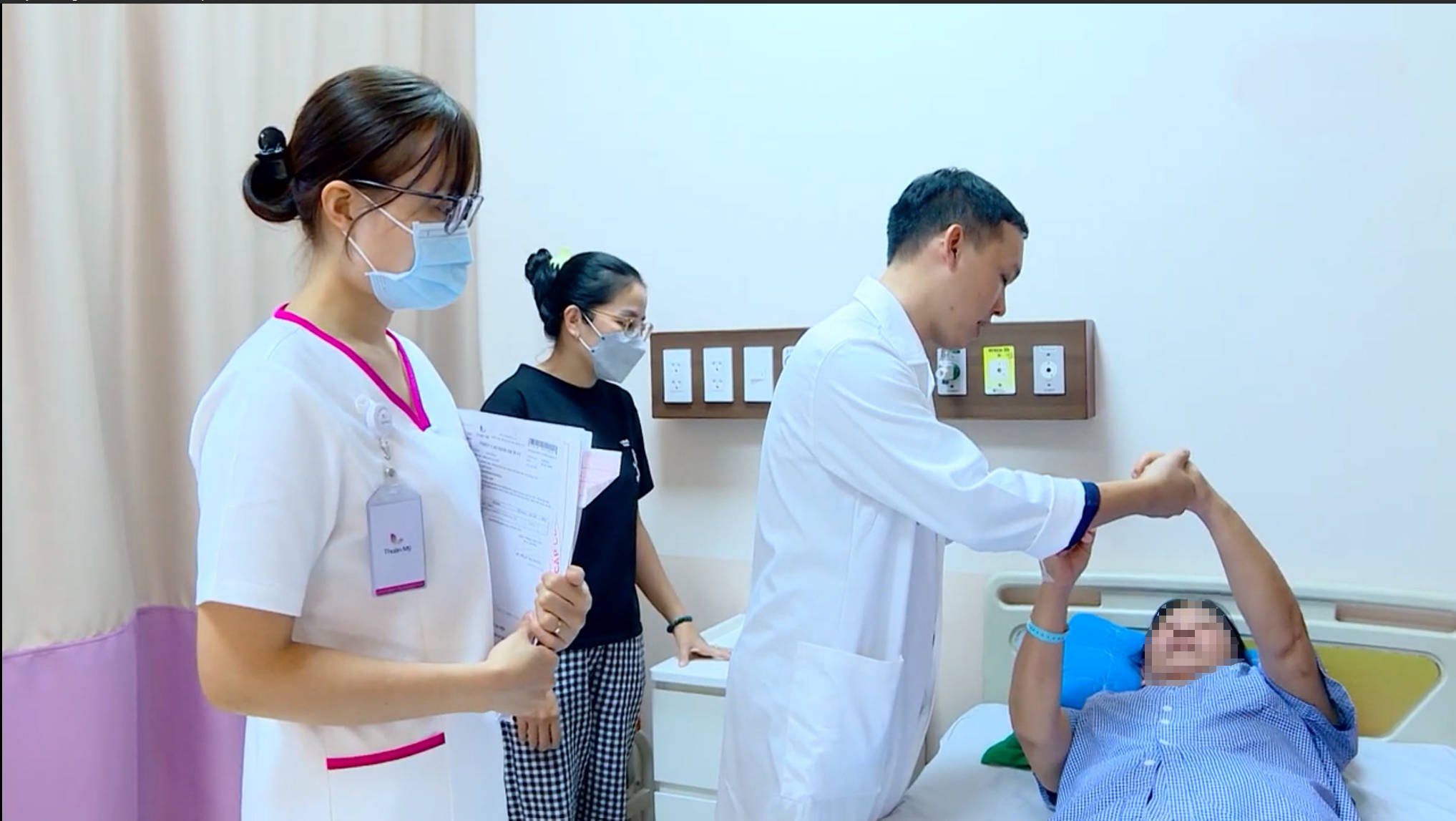
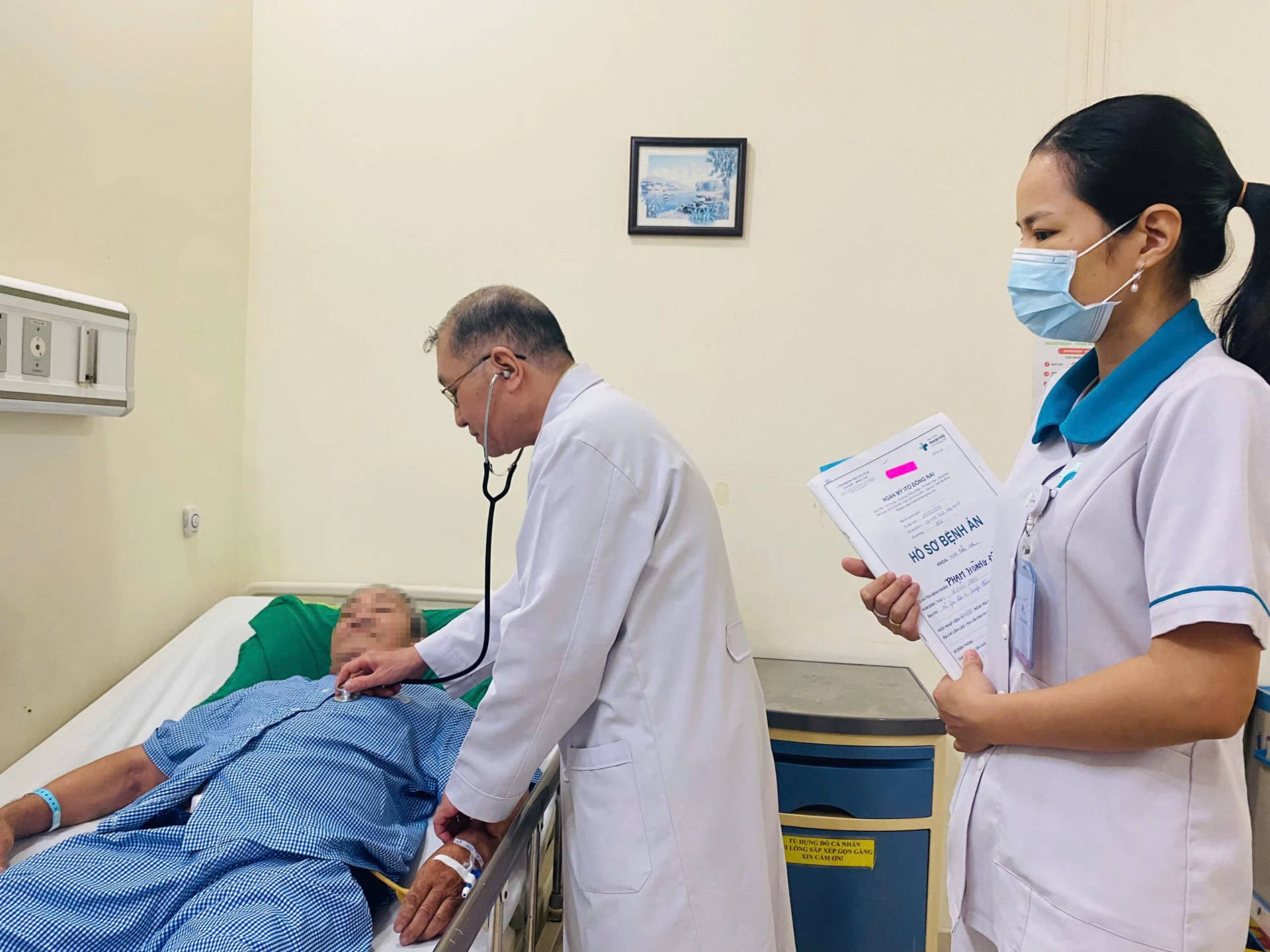
Before proceeding with the endoscopy, the doctor will perform a health examination, inquire about the patient’s medical history and allergies to ensure the patient is eligible for anesthesia.
Subsequently, the painless gastroscopy procedure proceeds as follows:
The patient lies on their side and is connected to equipment to monitor blood pressure and heart rate.
Anesthetic medication is administered intravenously into the patient’s arm.
A mouth guard is placed in the patient’s mouth, and then the endoscope is inserted into the mouth, through the throat, and down into the esophagus, stomach, and duodenum.
A small camera attached to the endoscope transmits images to a computer.
If an issue requiring intervention is found, the doctor may perform simultaneous procedures such as polyp removal, biopsy, hemostasis, foreign body removal, esophageal variceal ligation, etc.
After precisely identifying the affected areas, the doctor will gently withdraw the endoscope.
After the endoscopy, the patient needs to stay in the recovery room for about 30 minutes for monitoring.
4. NOTES FOR PAINLESS ENDOSCOPY
To ensure a safe, smooth, and effective endoscopy process, patients should note the following:
Fast for at least 6-8 hours before the endoscopy.
For sedated endoscopy, a family member must accompany the patient.
Inform the doctor of any history of allergies, especially reactions to anesthetics.
After the endoscopy, the patient may feel tired or drowsy; therefore, the patient should not drive after the procedure.
Although sedated endoscopy is safe, comfortable, and effective, some individuals are advised against it:
People with a history of allergy to anesthetics.
Pregnant women.
Patients with suspected or confirmed gastrointestinal perforation.
Additionally, children, frail elderly individuals, those with heart failure, respiratory failure, or obstructive sleep apnea should discuss thoroughly with their doctor before considering sedated endoscopy.